
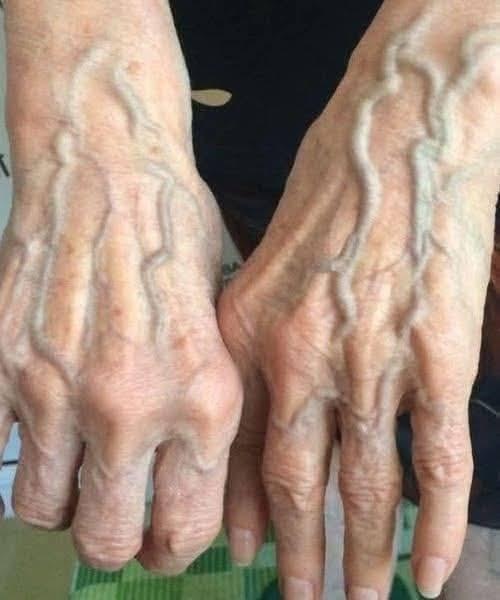
The human vascular system is a complex, high-pressure network of highways that sustain every organ and extremity. Often, we give little thought to the blue or green lines beneath our skin until the moment they suddenly appear to have multiplied or intensified. Discovering prominent veins on your hands, arms, legs, or chest can be a jarring experience, leading many to wonder if their circulatory system is signaling a crisis. While the sudden visibility of veins is frequently a benign byproduct of lifestyle shifts, genetics, or the natural progression of time, understanding the nuances of vascular health is essential for distinguishing a harmless physical trait from a medical warning sign.
To understand why veins appear “out of nowhere,” one must first understand the variables that keep them hidden. Typically, veins are obscured by a combination of skin thickness, dermal elasticity, and a layer of subcutaneous adipose tissue (body fat). When any of these factors are altered, the vascular network is “pushed” to the visual forefront. One of the most common reasons for increased vascularity is a reduction in body fat. When an individual loses weight or undergoes a period of intense physical conditioning, the insulating layer of fat between the muscle and the skin thins out. As this barrier diminishes, the veins have nowhere to go but up against the underside of the skin, creating a more “shredded” or vascular appearance.
Physical exertion itself is a primary driver of temporary and long-term vein visibility. During a workout, especially weight lifting or high-intensity interval training, the body demands an massive surge in oxygenated blood. This increased cardiac output causes the veins to swell as they work to return blood to the heart. Over time, consistent exercise leads to muscle hypertrophy—the growth of muscle fibers. As these muscles expand, they occupy more space beneath the skin, effectively squeezing the veins and forcing them toward the surface. This is why athletes often display prominent vascularity even when at rest; their anatomy has literally been reshaped to accommodate higher blood flow and larger muscle mass.
Environmental factors also play a subtle but significant role in how our veins present on any given day. In hot weather, the body engages in a process called vasodilation. To prevent overheating, the brain signals the blood vessels near the surface of the skin to widen, or dilate. This allows more blood to flow close to the air, facilitating the release of heat and cooling the body down. Consequently, on a humid summer afternoon or after a hot shower, your veins may appear much larger and more blue than they do on a cold winter morning. This is a healthy, self-regulating physiological response, yet it can be surprising to someone who hasn’t noticed the pattern before.
Continued On Next Page
ADVERTISEMENT

