
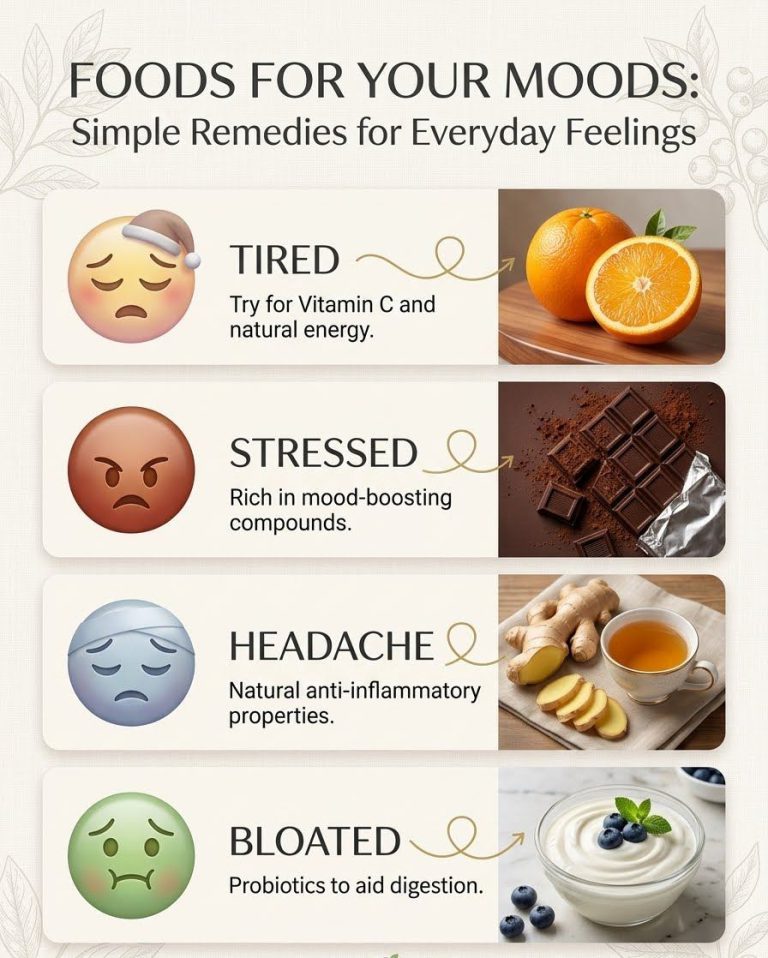
Ever notice how anxious people rarely crave grilled Chicken breast?
Anxiety burns through energy quickly, and the brain starts looking for comfort and stability. Oatmeal, bananas, whole grain toast — these slower carbs can help support serotonin production and keep blood sugar from swinging wildly.
That’s important because blood sugar crashes can mimic anxiety symptoms: shakiness, sweating, irritability, racing thoughts. Sometimes people think they’re emotionally spiraling when they actually just haven’t eaten properly all day.
ot always. But often enough.
Anger Craves Crunch Sometimes
This sounds ridiculous until you experience it.
Crunchy foods can genuinely feel satisfying when you’re irritated because they release physical tension. Carrots, popcorn, pumpkin seeds — there’s something grounding about the act of chewing when your brain feels loud.
Chamomile tea can help too, especially if anger is really stress wearing a different outfit.
Because let’s be honest, a lot of adults aren’t actually angry. They’re overstimulated, underslept, and one minor inconvenience away from losing patience in a grocery store parking lot.
Sadness Usually Wants Comfort More Than Perfection
When people feel low, they often swing between two extremes: eating everything in sight or trying to “eat clean” to regain control.
Neither approach feels particularly comforting.
Foods rich in omega-3 fats, like salmon or walnuts, may support mood over time. Avocados help too. But emotional comfort matters alongside nutrition. A homemade soup, warm rice bowl, roasted potatoes, buttery toast — foods connected to memory and familiarity tend to calm people for a reason.
Humans attach emotions to meals. Always have.
Certain smells can drag you straight back to childhood kitchens without warning. That isn’t weakness. It’s memory mixed with survival instinct.
Loneliness Changes Appetite in Strange Ways
Continued On Next Page
ADVERTISEMENT

