
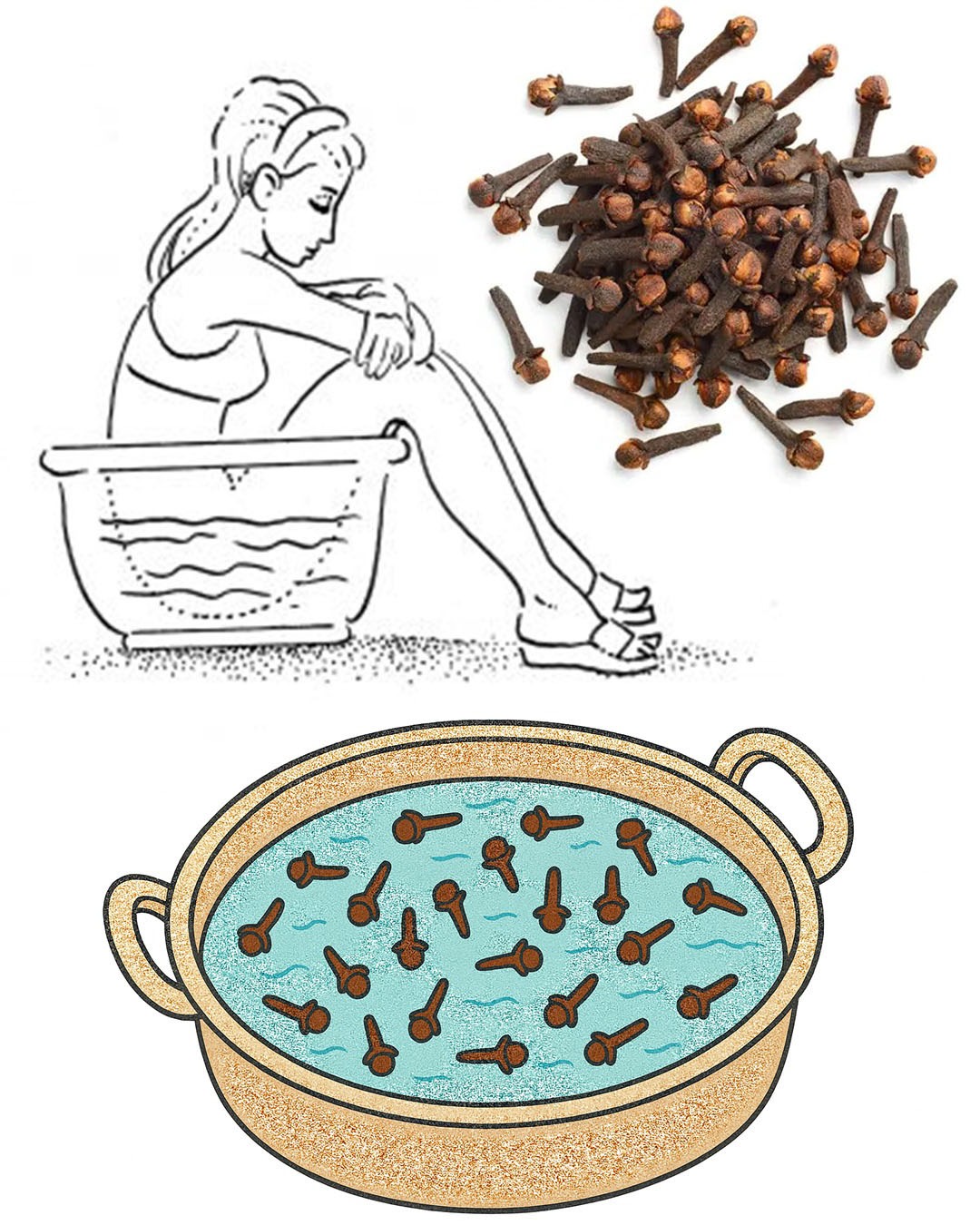
Increases blood flow to speed healing
Relaxes muscles to ease pain
Gently cleanses without harsh scrubbing
 Think of it as a warm hug for your pelvic area—calm, nurturing, and deeply restorative.
 Can You Add Cloves to a Sitz Bath? What the Science Says
Cloves (Syzygium aromaticum) contain eugenol, a compound with:
Antimicrobial properties (effective against some bacteria and fungi)
Anti-inflammatory effects (may reduce swelling and redness)
Mild analgesic (pain-relieving) qualities
However—important caveats:
Eugenol is potent—undiluted or overused, it can irritate or burn sensitive mucosal tissue
No clinical studies prove clove water sitz baths are safe or effective for vaginal or perineal use
Essential oil ≠ whole cloves—never use clove essential oil in a sitz bath (too concentrated!)
 Medical consensus: Most OB-GYNs and midwives do not recommend herbal additives like cloves during postpartum or active healing—plain warm water is safest.
 If You Choose to Try Clove Water: A Gentle, Diluted Method
If you’re past the acute healing phase (e.g., 4+ weeks postpartum, no open wounds) and want to experiment with extreme caution, here’s the mildest, safest approach:
 Clove-Infused Sitz Bath (Diluted Tea Method)
What You’ll Need:
1 cup boiling water
3–4 whole cloves (not ground—not oil!)
2–3 quarts warm, clean water (for the bath)
Clean sitz bath basin or bathtub
Instructions:
Continued On Next Page
ADVERTISEMENT

