
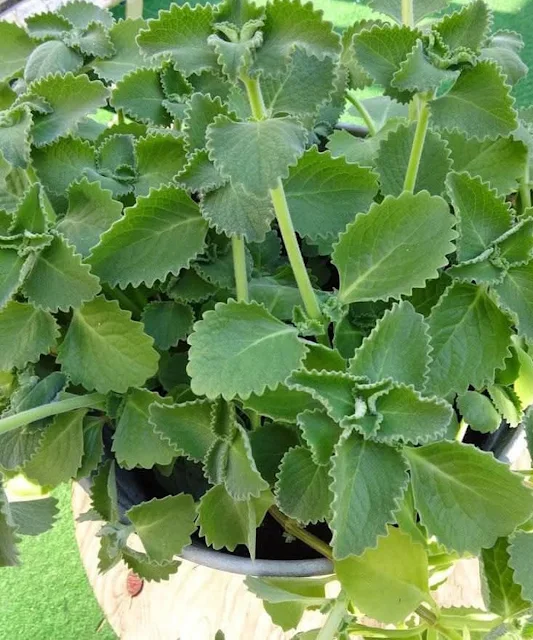
While oregano is safe when consumed in normal food amounts, higher doses used for therapeutic purposes come with potential risks .
-
Pregnancy and Breastfeeding: Large amounts of oregano should be avoided during pregnancy, as it may have uterine stimulant effects. It is also not recommended for those who are breastfeeding due to a lack of safety data .
-
Blood Thinners: Oregano is high in vitamin K, which plays a role in blood clotting. People taking anticoagulant medications like warfarin should avoid consuming large doses of oregano .
-
Diabetes Medications: Oregano may lower blood sugar levels. If you are on diabetes medication, monitor your blood sugar closely, as it could increase the risk of hypoglycemia .
-
Allergies: Individuals allergic to plants in the Lamiaceae family (such as basil, lavender, mint, and sage) may also experience allergic reactions to oregano .
-
Iron Absorption: The tannins in oregano can interfere with the absorption of iron, copper, and zinc. If you take supplements for these minerals, separate them from oregano intake by at least two hours .
📝 Conclusion
Oregano is more than just a culinary herb; it is a plant with a complex phytochemistry and a range of documented biological activities. Research supports its potential as a source of antioxidants and antimicrobial agents, and it may offer benefits for digestive health .
However, it is crucial to maintain a realistic perspective. While the laboratory and animal studies are promising, high-quality human trials are often lacking to confirm many of these benefits . The most reliable way to incorporate oregano into a healthy lifestyle is to use it generously as a culinary spice, where it provides flavor and valuable micronutrients with virtually no risk .
ADVERTISEMENT

