
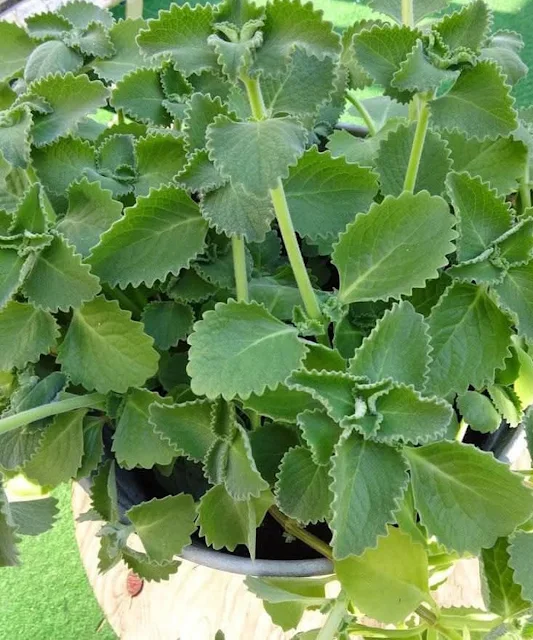
Oregano (Origanum vulgare L.) is a well-known culinary herb and a member of the Lamiaceae (mint) family . Its name is derived from the Greek words oros (mountain) and ganos (joy), meaning “joy of the mountains,” a nod to its native Mediterranean habitat . While most people know it as a flavorful addition to pizza and pasta sauces, modern research has increasingly focused on oregano’s rich phytochemistry and its potential role in supporting human wellness .
This article provides a comprehensive, evidence-based overview of oregano’s biological activity, including its key compounds, known health benefits, and important safety considerations.
🌿 Key Bioactive Compounds
Oregano’s therapeutic potential is primarily attributed to its essential oils (OEO) and phenolic compounds. The chemical composition can vary significantly depending on the plant’s chemotype, origin, and growing conditions .
The primary biologically active components include:
-
Phenolic Monoterpenes: The most well-studied compounds, carvacrol and thymol, are responsible for oregano’s distinct aroma and many of its antimicrobial and antioxidant properties .
-
Flavonoids and Phenolic Acids: These include rosmarinic acid, apigenin, luteolin, and quercetin, which contribute to the plant’s antioxidant and anti-inflammatory effects .
-
Other Terpenes: Compounds such as β-caryophyllene, γ-terpinene, and p-cymene also contribute to oregano’s biological activities .
It is important to note that while oregano leaves (dried or fresh) contain these compounds, they are found in significantly higher concentrations in oregano essential oil and extracts .
🩺 Potential Health Benefits
Research has identified several areas where oregano may play a supportive role in wellness. However, it is crucial to recognize that much of the existing research has been conducted in vitro (in a laboratory) or on animals, and robust human trials are often lacking .
1. Antioxidant Properties
Oregano is a rich source of antioxidants, which are compounds that help neutralize harmful free radicals and reduce oxidative stress in the body . The phenolic compounds, particularly rosmarinic acid and carvacrol, are potent free radical scavengers .
A 2022 study involving soldiers found that powdered oregano supplementation increased antioxidant levels and reduced markers of muscle damage following intense physical activity . While promising, more human research is needed to fully understand the implications for general wellness.
2. Antimicrobial Activity
Continued On Next Page
ADVERTISEMENT

