
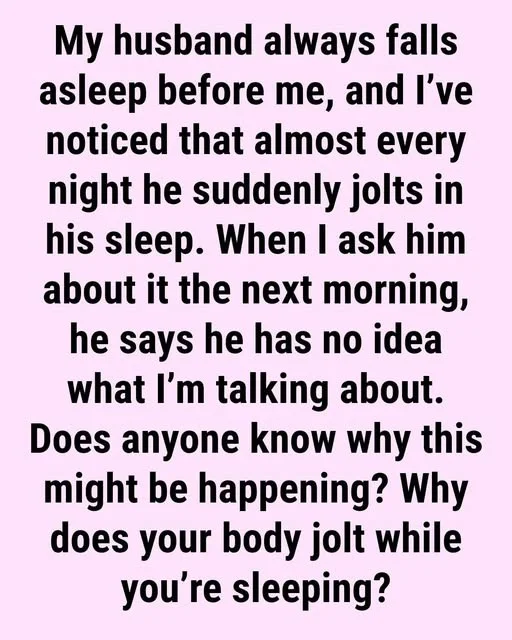
One theory suggests that hypnic jerks are an evolutionary leftover from our primate ancestors. When early humans slept in trees, a sudden muscle twitch might have been a primitive reflex to prevent falling from a branch—a last-minute “check” that you’re in a safe position before sleep fully takes over.
The Neurological Explanation
As you fall asleep, your brain sends signals to your muscles to relax. But sometimes, there’s a misfire in the system. The part of your brain that controls wakefulness may briefly resist the transition to sleep, sending out a burst of nervous energy that manifests as a muscle jerk.
The Sensation of Falling
The accompanying “falling” sensation is likely your brain’s interpretation of that sudden muscle contraction. It’s not that you’re actually falling—it’s that your brain is processing the sensory input of the jerk and creating a narrative to explain it.
What Triggers Hypnic Jerks?
While hypnic jerks are normal, certain factors can make them more frequent or more intense:
| Factor | Why It Happens |
|---|---|
| Stress and anxiety | Heightened nervous system activity makes the transition to sleep less smooth |
| Caffeine | Stimulants keep your nervous system alert, interfering with natural relaxation |
| Nicotine | Similar to caffeine, nicotine disrupts sleep transitions |
| Alcohol | While alcohol may help you fall asleep, it disrupts sleep architecture and can increase jerks |
| Exercise late at night | Your body may still be in “active mode” when you’re trying to sleep |
| Irregular sleep schedule | Inconsistent bedtimes confuse your body’s internal clock |
| Fatigue or sleep deprivation | When you’re overtired, your brain may transition to sleep too quickly, causing jerks |
| Stimulating activities before bed | Screen time, intense conversations, or working late keep your brain active |
When Should You Be Concerned?
Hypnic jerks are almost always harmless. However, there are times when you should talk to a doctor:
⚠️ Jerks are so frequent or violent that they disrupt your sleep regularly
⚠️ You’re injuring yourself or your bed partner
⚠️ You also experience other unusual movements during sleep
⚠️ You have other symptoms like daytime sleepiness, gasping, or choking at night
In rare cases, frequent sleep jerks could be related to other conditions like:
-
Restless leg syndrome
-
Periodic limb movement disorder
-
Sleep apnea
But for most people, hypnic jerks are just a quirky part of falling asleep.
How to Reduce Hypnic Jerks
While you can’t eliminate them entirely, you can reduce their frequency:
1. Reduce Caffeine
Cut off caffeine by early afternoon. For some people, even morning coffee can affect nighttime transitions.
2. Avoid Alcohol Before Bed
Alcohol disrupts sleep architecture and can increase hypnic jerks.
3. Create a Calming Bedtime Routine
Give your brain time to transition. Try:
-
Reading (physical book, not screens)
-
Gentle stretching
-
Warm bath
-
Meditation or deep breathing
-
Soft music
4. Stick to a Consistent Sleep Schedule
Go to bed and wake up at the same time every day—even on weekends.
5. Manage Stress
Stress keeps your nervous system on high alert. Practices like journaling, meditation, or talking with someone can help.
6. Exercise Earlier
Finish intense exercise at least 2-3 hours before bedtime.
7. Limit Screen Time
Blue light from phones, tablets, and computers can interfere with your body’s natural sleep signals.
What to Do When a Jerk Wakes You
-
Don’t panic. Remember, this is normal. Anxiety about the jerk can make it harder to fall back asleep.
-
Breathe. Take a few deep, slow breaths to calm your nervous system.
-
Shift position. Sometimes a small movement helps reset your body.
-
Don’t reach for your phone. The blue light and stimulation will make it harder to return to sleep.
-
Reassure yourself. Think: “That was just my body settling into sleep. I’m safe. I can rest now.”
The Difference Between Hypnic Jerks and Other Movements
| Movement | When It Happens | Characteristics |
|---|---|---|
| Hypnic jerk | As you’re falling asleep | Single, sudden jerk; often accompanied by falling sensation |
| Restless leg syndrome | While awake, often in evening | Urge to move legs; creeping, crawling sensation |
| Periodic limb movement disorder | During sleep | Repetitive leg movements throughout the night |
| Sleep apnea | During sleep | Breathing pauses; gasping or choking |
A Gentle Reminder
That jolt as you’re falling asleep isn’t a sign that something is wrong. It’s not a seizure. It’s not your body failing. It’s simply a quirk of the human sleep system—a small glitch in the elegant process of transitioning from wakefulness to rest.
Your body knows how to sleep. Sometimes it just needs a little patience.
If hypnic jerks are bothering you, the strategies above can help. But if they’re just an occasional annoyance, you can let go of worry. You’re in good company—most of us have been there.
ADVERTISEMENT

