Watch for These Signs in the Coming Days and Weeks:
| Symptom |
When to Worry |
| Redness or irritation |
Normal for first 24-48 hours |
| Expanding red rash (may look like a bull’s-eye or solid red patch) |
Seek medical attention |
| Fever, chills, muscle aches |
Seek medical attention |
| Fatigue, headache, joint pain |
Seek medical attention |
| Hives or itching |
Seek medical attention |
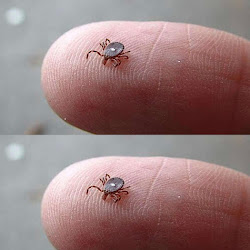
Step 3: Know the Lone Star Tick’s Unique Risks
STARI (Southern Tick-Associated Rash Illness)
-
Rash: A red, expanding “bull’s-eye” rash similar to Lyme disease
-
Symptoms: Fatigue, muscle aches, headache, fever
-
Note: Unlike Lyme disease, STARI is not caused by Borrelia burgdorferi and has no confirmed long-term complications, but it still deserves medical attention
Ehrlichiosis
-
Onset: 1-2 weeks after bite
-
Symptoms: Fever, headache, fatigue, muscle aches, nausea
-
Lab findings: Low white blood cell count, low platelets
-
Treatment: Doxycycline (antibiotic)
Alpha-Gal Syndrome (Red Meat Allergy)
This is the most unusual—and increasingly common—condition associated with lone star ticks.
What it is: An allergy to alpha-gal, a sugar molecule found in red meat (beef, pork, lamb, venison) and some mammalian products (gelatin, dairy).
How it happens: The tick bite sensitizes your immune system to alpha-gal. Later, when you eat red meat, your body has an allergic reaction.
Symptoms (delayed):
-
Hives, itching, swelling
-
Stomach pain, nausea, vomiting, diarrhea
-
Difficulty breathing
-
Anaphylaxis (rare but serious)
The catch: Symptoms appear 3-6 hours after eating meat—not immediately. This delay makes it hard to connect the cause.
What to do: If you notice reactions after eating red meat, tell your doctor about the tick bite.
Step 4: When to See a Doctor
Continued On Next Page