
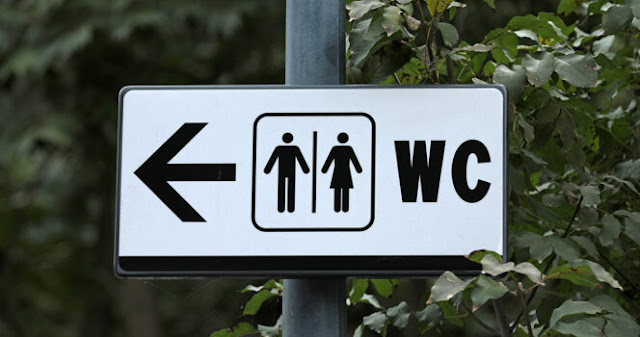
Different countries use different words for the same space. What Americans call a restroom might be called a washroom, toilet, or lavatory elsewhere.
Some common terms include:
- Bathroom – Common in the United States
- Restroom – Often used in public buildings in the U.S.
- Washroom – Common in Canada
- Toilet – Frequently used in Europe and Asia
- Lavatory – Often used on airplanes
- WC – International and formal usage
Each term developed from historical habits rather than strict definitions.
For example:
- A bathroom originally referred to a room with a bath.
- A restroom was a place to refresh yourself.
- A washroom emphasized handwashing.
- A water closet described the early indoor toilet room.
Over time, these words began to overlap, which explains why they can seem inconsistent today.
The Historical Meaning of Water Closet
The term water closet dates back to the 19th century, when indoor plumbing first became common in wealthier homes.
At that time, toilets were often placed in a small enclosed compartment separate from the bathing area. This compartment became known as the water closet.
Before indoor plumbing, many homes relied on:
- Outhouses
- Chamber pots
- Outdoor facilities
As plumbing improved, indoor toilets became more common. By the early 1900s, bathrooms and toilets were often combined into a single room, but the term WC remained in use, especially in Europe.
Today, some homes still include a small toilet-only room that may be called a water closet in building plans.
Why WC Is Still Used Today
Continued On Next Page
ADVERTISEMENT

