
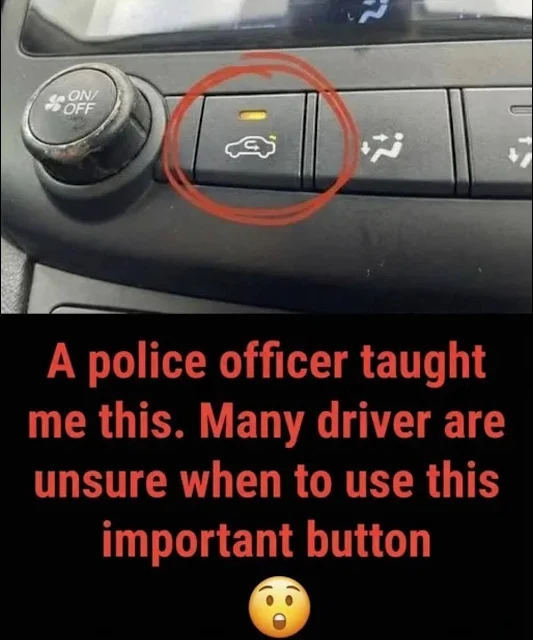
When you’re stuck behind exhaust-spewing vehicles, recirculation closes off the outside air intake, preventing those toxic fumes from entering your cabin.
Use it: In bumper-to-bumper traffic, tunnels, or anywhere you smell exhaust.
3. When Driving Through Smelly Areas
Passing a farm, landfill, or area with strong odors? Recirculation mode seals off the outside, keeping those smells out of your cabin.
4. During High Pollen or Allergy Seasons
If you’re driving through an area with high pollen counts, recirculation can help keep allergens out—especially if you have a good cabin air filter.
5. On Dusty Roads
Driving on gravel or dirt roads? Recirculation keeps dust and particulates from being sucked inside.
❌ When to TURN OFF Air Recirculation
1. In Cold, Humid Weather (Crucial for Defogging)
This is the most important rule. When your windows start fogging up, recirculation mode is your enemy.
Why: The air inside your car is moist from your breath, wet clothes, or snow on your boots. Recirculation traps that moisture, making fog worse. To clear fog, you need dry air. Turning recirc OFF brings in colder outside air, which has lower absolute humidity. Your heater then warms and dries that air, wiping the fog from your windows.
The fix: Defogger + Fresh Air mode + AC (even with heat on) = clear windows.
2. For Long Drives to Prevent “Stale Air” Sleepiness
After 15-20 minutes on recirculation, the air can become stale as carbon dioxide from your exhaled breath builds up. This can cause drowsiness and reduced concentration.
What to do: If you’re on a long drive and feeling stuffy or tired, switch to fresh air for a few minutes to reintroduce oxygen.
3. When Carrying Several Passengers
Continued On Next Page
ADVERTISEMENT

