
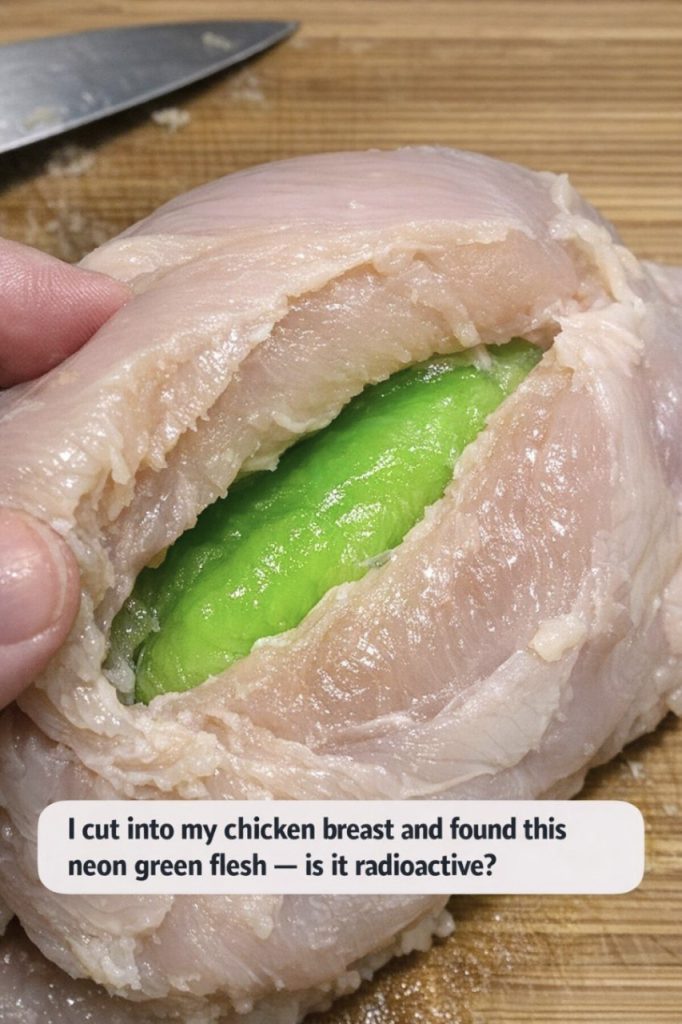
Most retailers have a policy in place for returning food products that do not meet quality expectations. If you find green discoloration in your chicken, you should contact the store where it was purchased to inquire about their return policy.
Reporting the issue is also important, as it helps retailers track quality control issues and prevent similar occurrences in the future. Providing feedback ensures that the store can address potential problems in their supply chain and improve customer satisfaction.
10. Why This Is Happening More Often In Today’s Chicken Industry
The rise in cases of Green Muscle Disease is largely attributed to the modern poultry industry’s focus on rapid growth and increased muscle yield. As broilers are bred to grow faster and larger, the incidence of muscle disorders has increased.
Additionally, the dense living conditions and limited mobility of chickens in factory farms exacerbate the risk of GMD, as these factors further restrict blood flow to muscle tissues. This trend highlights the need for industry practices to balance efficiency with animal welfare.
11. How To Protect Yourself: Smart Shopping, Handling, And Cooking Habits
To minimize the risk of encountering Green Muscle Disease, consumers should adopt smart shopping practices. Choose reputable suppliers and inspect chicken packages for signs of uneven coloring or discoloration.
Proper handling and cooking techniques can also ensure food safety. Always cook chicken to an internal temperature of at least 165°F (74°C) to eliminate any harmful bacteria. By being informed and vigilant, consumers can enjoy high-quality poultry products with confidence.
ADVERTISEMENT

