
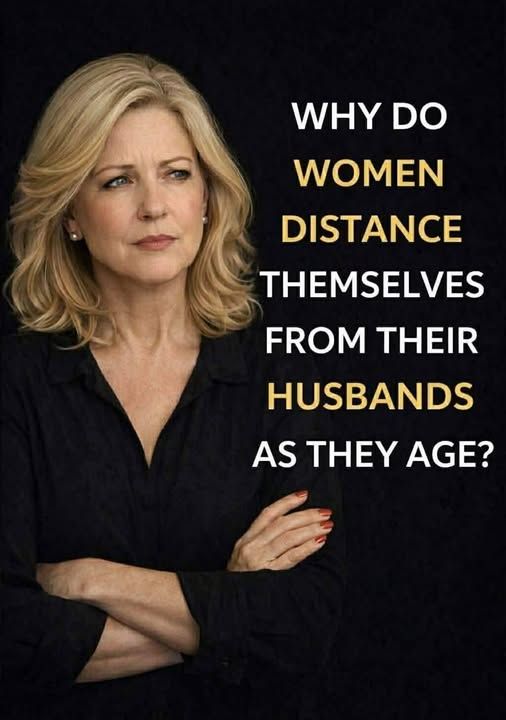
Marriage burnout is much more than just a temporary bad mood or a typical “feeling tired” phase. It is a deep sense of emotional fatigue, a feeling of being disconnected, and a heavy weight of ongoing stress within a partnership that used to be a source of happiness. It is important to realize that burnout does not always happen because of a huge fight. Instead, it often slides in quietly. It is fed by the constant pressure of daily life, goals that were never met, and the slow fading of the bond between two people.
Even for the most dedicated couples who care about each other and talk openly, life can become overwhelming. They might start to feel more like coworkers, roommates, or “emotional strangers” rather than romantic partners. Understanding why this happens is the first step toward fixing it.
Why Does Marriage Burnout Happen?
There are several common reasons why a strong relationship might start to feel drained.
1. Constant Stress from the Outside World Life is busy. Between a heavy workload, the stress of paying bills, the non-stop demands of raising children, or the emotional weight of caring for older family members, there is often very little energy left for romance. When both people in the marriage are completely worn out, the relationship can start to feel like a checklist of chores. You might find yourselves only asking, “Did you pay the bill?” rather than sharing a meaningful moment. In these cases, the home stops being a “sanctuary” and starts feeling like just another job site.
2. The Burden of Unseen Work Often, one person in the relationship carries more of the “mental load.” This includes the small but vital tasks like planning what to eat for dinner, making doctor appointments, or keeping track of family birthdays. This “invisible labor” can lead to a lot of tiredness and a feeling of unfairness. Over time, the person doing this work might feel like their identity has disappeared, thinking, “I’m not seen; I’m just used.”
3. Goals That Are Not Realistic Sometimes we expect too much from our partners without actually telling them. If you believe your spouse should “just know” what you are thinking, or if you think that “love alone” is enough to fix every problem, you are likely to end up disappointed. Common cultural ideas like “They complete me” often run into the wall of reality, where the truth is more like “We’re both exhausted and snippy by 8 p.m.”
4. Losing the Emotional Connection While many people notice that physical closeness fades first, that is usually just a sign of a bigger problem. The real issue is often a lack of “vulnerability, shared joy, or quality time.” Without making a real effort to stay connected, even people who love each other can start to live parallel lives where they are together but totally alone.
Warning Signs That Your Marriage Is Burned Out
Knowing the signs can help you address the problem before it gets worse. Look out for these red flags:
- Feeling Numb: You don’t feel angry or even sad anymore. You just feel empty or indifferent.
- Avoiding Each Other: You would rather spend an hour looking at your phone than having a conversation with your partner.
- Small Issues Feel Huge: Getting upset over a tiny chore because it feels like a “personal betrayal.”
- Thinking About Running Away: You might find yourself “fantasizing about escape.” This doesn’t always mean you want a divorce; it often just means you want to be “freedom from responsibility.”
- Working Alone: You stop acting like a team and start trying to solve every problem by yourself.
There is a very important “Key difference” to remember here:
- Conflict means “We fight a lot.”
- Burnout means “We don’t even bother anymore.”
Steps to Reconnect and Heal
Continued On Next Page
ADVERTISEMENT

