
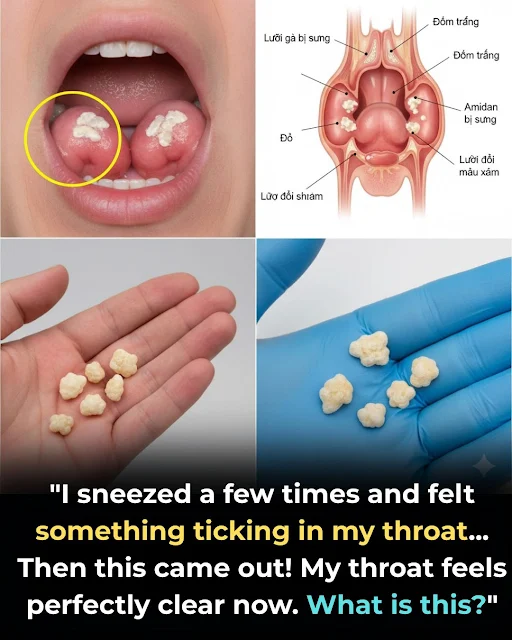
Your tonsils aren’t smooth surfaces. They’re covered in crypts—natural folds and pockets that increase surface area to help trap pathogens. For some people, these crypts are simply deeper and more numerous, creating perfect little traps for debris.
2. Chronic Inflammation
Frequent tonsillitis or chronic inflammation can enlarge the crypts and create more surface irregularities, making stone formation more likely.
3. Poor Oral Hygiene
Not brushing or flossing thoroughly allows bacteria to thrive, increasing the debris load that can accumulate in tonsil crypts.
4. Large Tonsils
People with naturally large tonsils often have more crypts and deeper crevices, providing more hiding spots for stones.
5. Post-Nasal Drip
Chronic allergies or sinus issues cause excess mucus production. That mucus has to go somewhere—often down the back of your throat, where some gets trapped in tonsil crypts.
6. Dry Mouth
Saliva naturally cleanses the mouth and throat. When production decreases (due to dehydration, medications, or mouth breathing), debris lingers longer.
Signs You Might Have Tonsil Stones
Many people have tonsil stones without knowing it. They’re often discovered accidentally during coughing fits or throat clearing. Common signs include:
-
Persistent bad breath that doesn’t improve with brushing (the #1 sign)
-
Sensation of something stuck in the back of your throat
-
Difficulty swallowing or throat discomfort
-
Ear pain (shared nerve pathways can refer pain)
-
Visible white or yellow spots on your tonsils
-
Chronic cough or throat clearing
-
Metallic taste in your mouth
-
Swollen tonsils (if stones are large or numerous)
How to Get Rid of Tonsil Stones
Continued On Next Page
ADVERTISEMENT

