
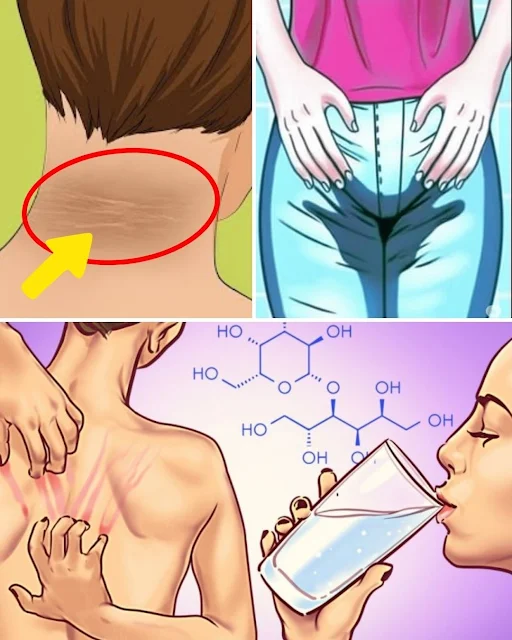
The scale is creeping up—especially around your waist—even though you haven’t changed how much you eat.
What’s happening: Excess sugar, especially fructose, is converted to fat in the liver. This fat often deposits as visceral fat—the dangerous kind around your organs.
The signal: It’s not about calories alone. It’s about what kind of calories.
8. Poor Sleep (Trouble Falling or Staying Asleep)
You’re exhausted but can’t fall asleep. Or you wake up at 3 a.m. and can’t get back to rest.
What’s happening: Blood sugar fluctuations disrupt the hormones that regulate sleep—cortisol and melatonin. A spike before bed, or a crash in the middle of the night, can jolt you awake.
The signal: Your sleep problems may start with what you ate, not what you’re thinking about.
How Much Sugar Is Too Much?
| Organization | Recommended Daily Limit (Added Sugar) |
|---|---|
| American Heart Association | Women: 25g (6 tsp) / Men: 36g (9 tsp) |
| WHO | Less than 10% of daily calories (about 50g/12 tsp) |
| US Dietary Guidelines | Less than 10% of daily calories |
For perspective: One 12-oz can of soda contains about 39g of sugar—already exceeding the daily limit for women.
Hidden Sugar: Where It Lurks
| Food | Sugar (approx.) | Surprise Level |
|---|---|---|
| BBQ sauce (2 tbsp) | 12g | 🟡 Moderate |
| Granola bar | 8-12g | 🟡 Moderate |
| Flavored yogurt (single serve) | 17-20g | 🔴 High |
| Ketchup (1 tbsp) | 4g | 🟢 Low but adds up |
| Pasta sauce (½ cup) | 10-12g | 🟡 Moderate |
| Sports drink (20 oz) | 34g | 🔴 High |
| Salad dressing (2 tbsp) | 5-7g | 🟡 Moderate |
Read labels. Sugar has many names: high-fructose corn syrup, dextrose, maltose, cane juice, agave, honey, maple syrup, and anything ending in “-ose.”
What to Do If You Recognize These Signs
Step 1: Don’t Panic—Do Observe
Keep a simple log for a few days. Note what you eat and how you feel 1-2 hours later. You may spot patterns.
Step 2: Cut Back Gradually
Cold turkey can trigger withdrawal-like symptoms. Instead:
-
Swap soda for sparkling water with lemon
-
Choose plain yogurt and add fresh fruit
-
Satisfy sweet cravings with whole fruit
-
Read labels and choose lower-sugar options
Step 3: Focus on Protein and Fiber
Protein and fiber slow sugar absorption, preventing spikes and crashes. Make sure each meal includes:
-
Protein (eggs, meat, fish, beans, tofu)
-
Fiber (vegetables, whole grains, legumes)
-
Healthy fat (avocado, nuts, olive oil)
Step 4: Prioritize Sleep
Poor sleep increases cravings for sugar and refined carbs. Fixing your sleep can make cutting sugar easier.
Step 5: See a Doctor If…
You have multiple signs, especially frequent thirst, urination, or unexplained weight changes. These could indicate prediabetes or diabetes.
ADVERTISEMENT

